
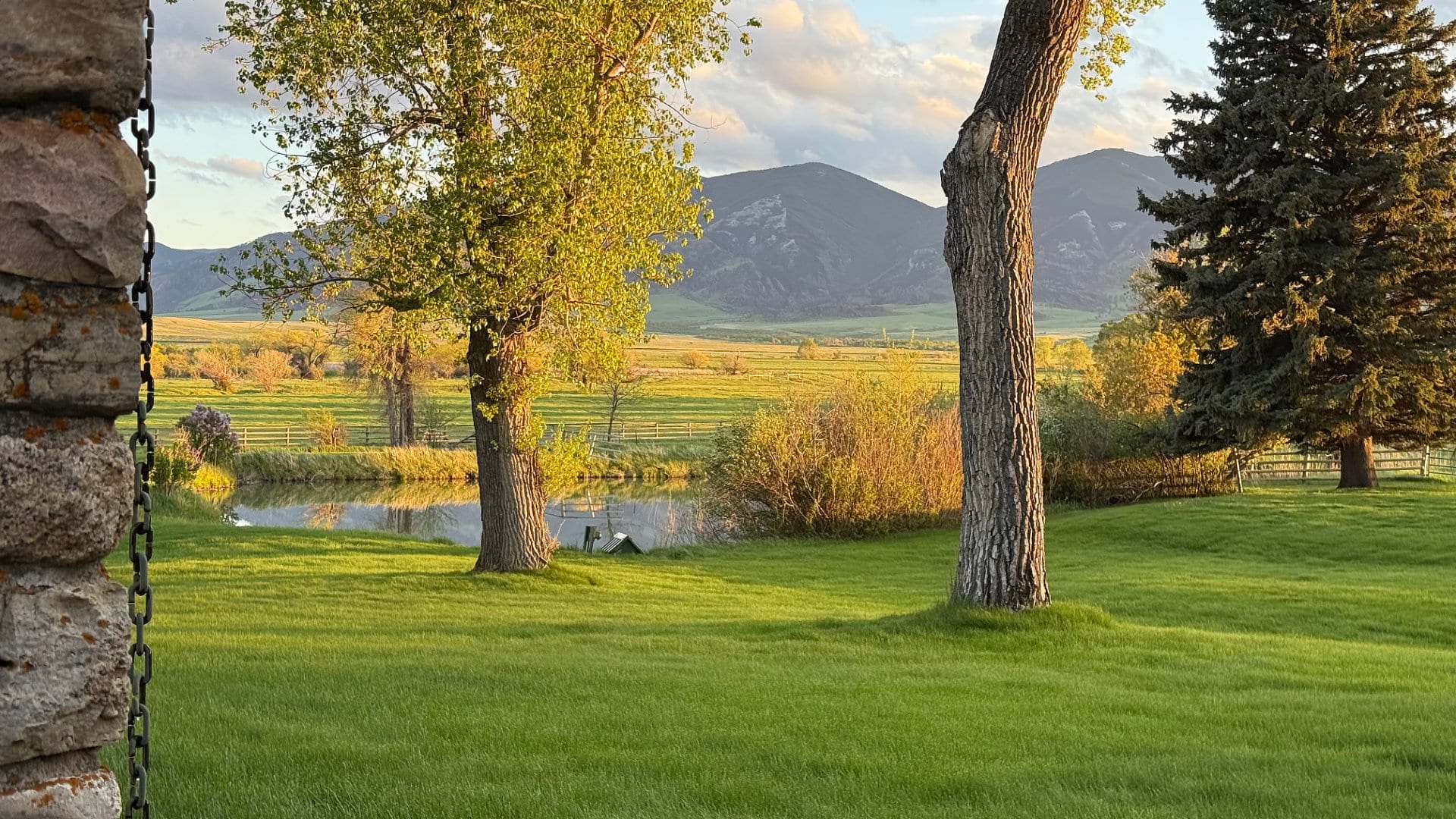
Good Land Doesn't Happen by Accident
Exceptional Natural Resources, and Thoughtful Stewardship
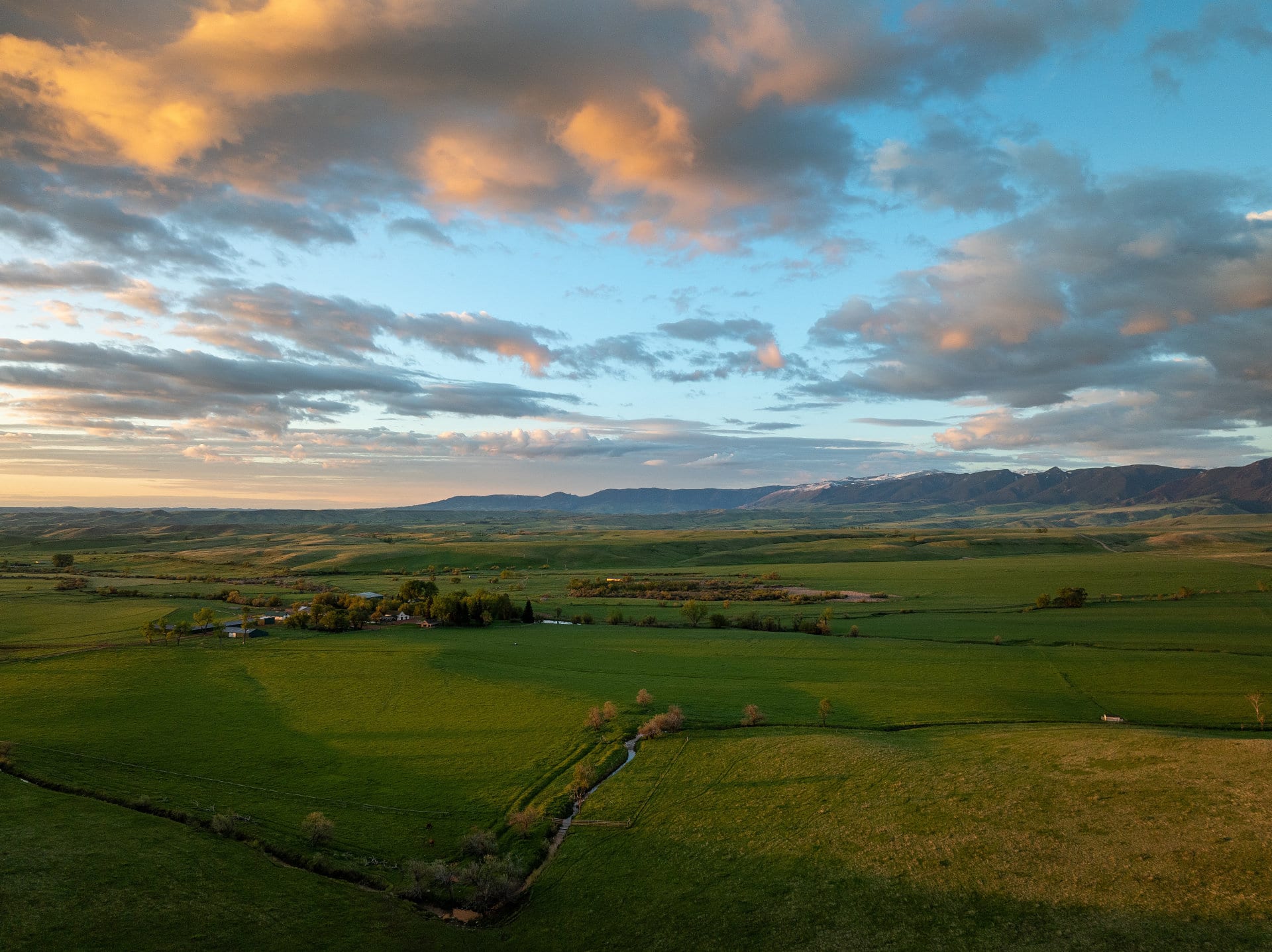
Cato Ranch on Soldier Creek Aerial Photo
There are places in Wyoming that seem to capture everything that makes this state special: wide-open spaces, mountain views, productive ranchland, abundant wildlife, and a connection to the land that reaches back generations. Cato Ranch is one of those places.
Located in the beautiful Soldier Creek Valley at the foot of the Bighorn Mountains, the Cato Ranch represents much of what people value about the Wyoming West. It’s a remarkable landscape, a historic ranching property, and a productive working cattle operation where the land continues to serve the purpose for which it has been valued for generations.Established in 1876 as the PK Ranch, fourteen years before Wyoming became a state, Cato Ranch carries a history deeply connected to the development and heritage of this part of Wyoming. Today, approximately 7,447 acres, including 6,447 deeded acres, encompass an extraordinary combination of productive agricultural ground, natural resources, water, wildlife habitat, and open spaceBut a ranch’s potential is not defined by its natural attributes alone. It also depends on the people who recognize those attributes, understand their value, and make the commitment to manage them well.That is an important part of the Cato Ranch story.
Recognizing the Potential of an Exceptional Place
A ranch’s location and natural resources are gifts. Its geography, soils, water, grass, and landscape establish the foundation for what the property can become. Recognizing the full potential of those resources, however, takes vision.
Under the ownership of Mr. Wayland Cato, the remarkable qualities of this property were recognized and valued. He understood that Cato Ranch was more than a beautiful historic Wyoming ranch. He purchased it for its extraordinary natural beauty, serenity, expansive views, and, ultimately, the lifestyle it afforded. Its setting in the Soldier Creek Valley, with convenient proximity to Sheridan and the airport, offered a special combination of privacy, natural beauty, and accessibility.
One of the most remarkable aspects of the property, and an extraordinary added benefit of Mr. Cato’s acquisition, is the extensive protected open space that surrounds and defines this landscape. The ranch’s own conserved land, together with thousands of acres of neighboring protected land, creates an exceptional expanse encompassing more than 35,000 acres of uninterrupted western landscape along the Bighorn Mountains and foothills. The result is an expansive landscape where natural beauty, open views, dark night skies, and the character of the valley can be enjoyed for generations.
A Means to an End: Sustaining the Lifestyle
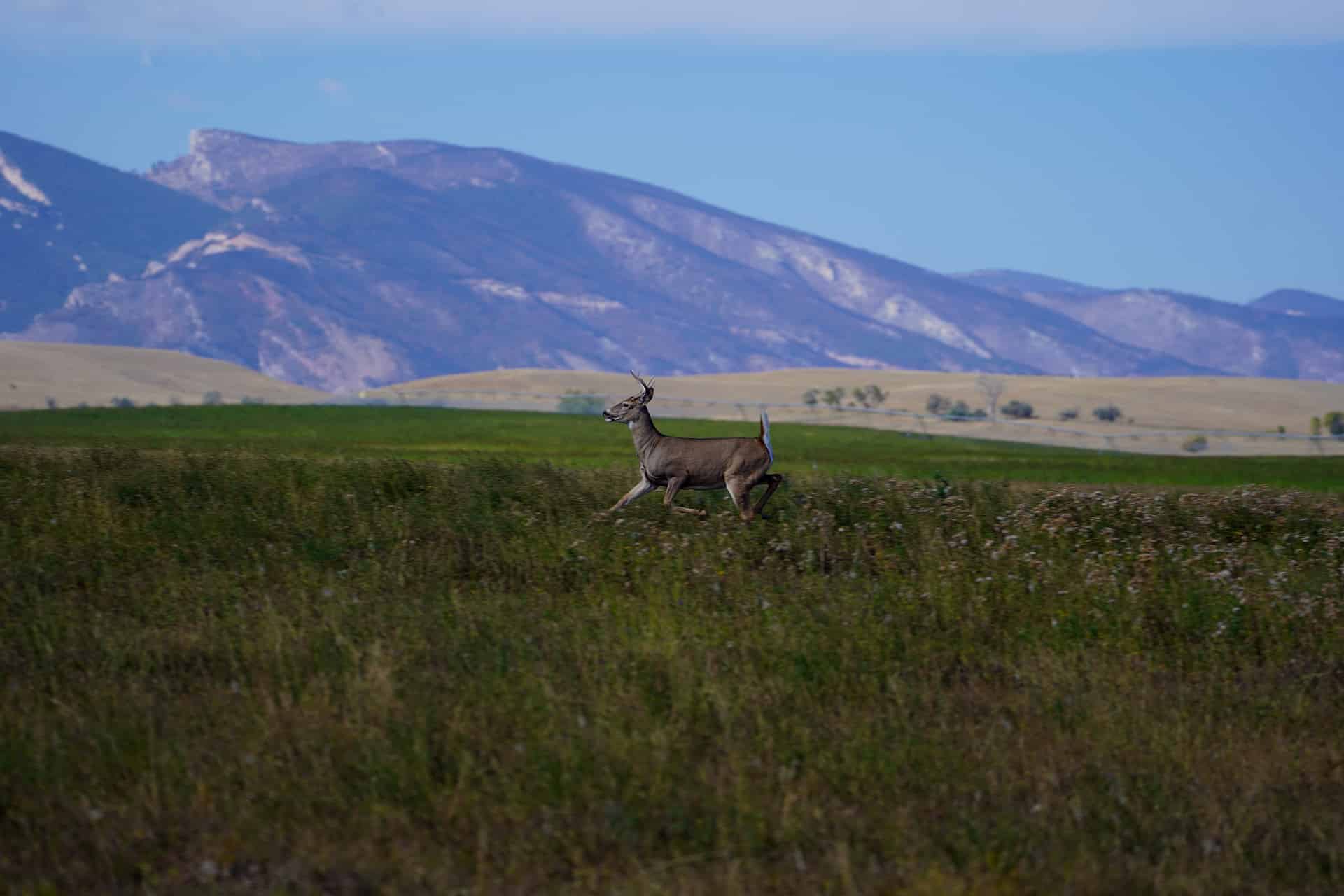
Cato Ranch Whitetail
The agricultural operation was, and remains, an important part of the vision. The water, grass, land, and infrastructure support a productive operation that provides an economic foundation to help sustain the lifestyle and enjoyment of the property. The working ranch is not separate from the appeal of Cato Ranch; it is an integral part of what makes the property so special.
And that lifestyle is part of something much larger. For more than 150 years, the world-renowned and highly coveted Sheridan Lifestyle has drawn people to this remarkable corner of Wyoming. Its appeal is rooted in a distinctive blend of Western heritage, ranching traditions, mountain scenery, open spaces, community, and the freedom that comes with living close to the land.
Cato Ranch is a beautiful expression of that history and culture. Located just minutes west of Sheridan, its protected landscape, working ranching traditions, and thoughtful management reflect the qualities that have made this lifestyle so treasured for generations. In many ways, the ranch represents both the history of the Sheridan Lifestyle and its promise for the future.
Sustaining that lifestyle takes more than appreciating the scenery. It takes a commitment to the land, the agricultural operation, and the resources that make it possible. The ranch’s productive capacity and economic foundation help support the very qualities that make ownership so rewarding. Good management is therefore not simply a means of operating a ranch; it’s an integral part of preserving the lifestyle that comes with it.
With this in mind, Mr. Cato committed to a holistic management approach to sustain his vision for the ranch. Together, he and long-time ranch manager, Dennis Elchlinger, have stewarded the ranch’s natural resources to collectively enhance the ecology and the economics for optimizing returns to both while returning to ownership the satisfaction of enduring legacy. Dennis, a graduate of Ranching for Profit School, brings a management philosophy grounded in understanding the productive capacity of the land, making sound business decisions, and protecting the long-term health of the ranch. The vision of ownership and the practical work of stewardship tell an important part of the Cato Ranch story.
Preserving More Than a Ranch
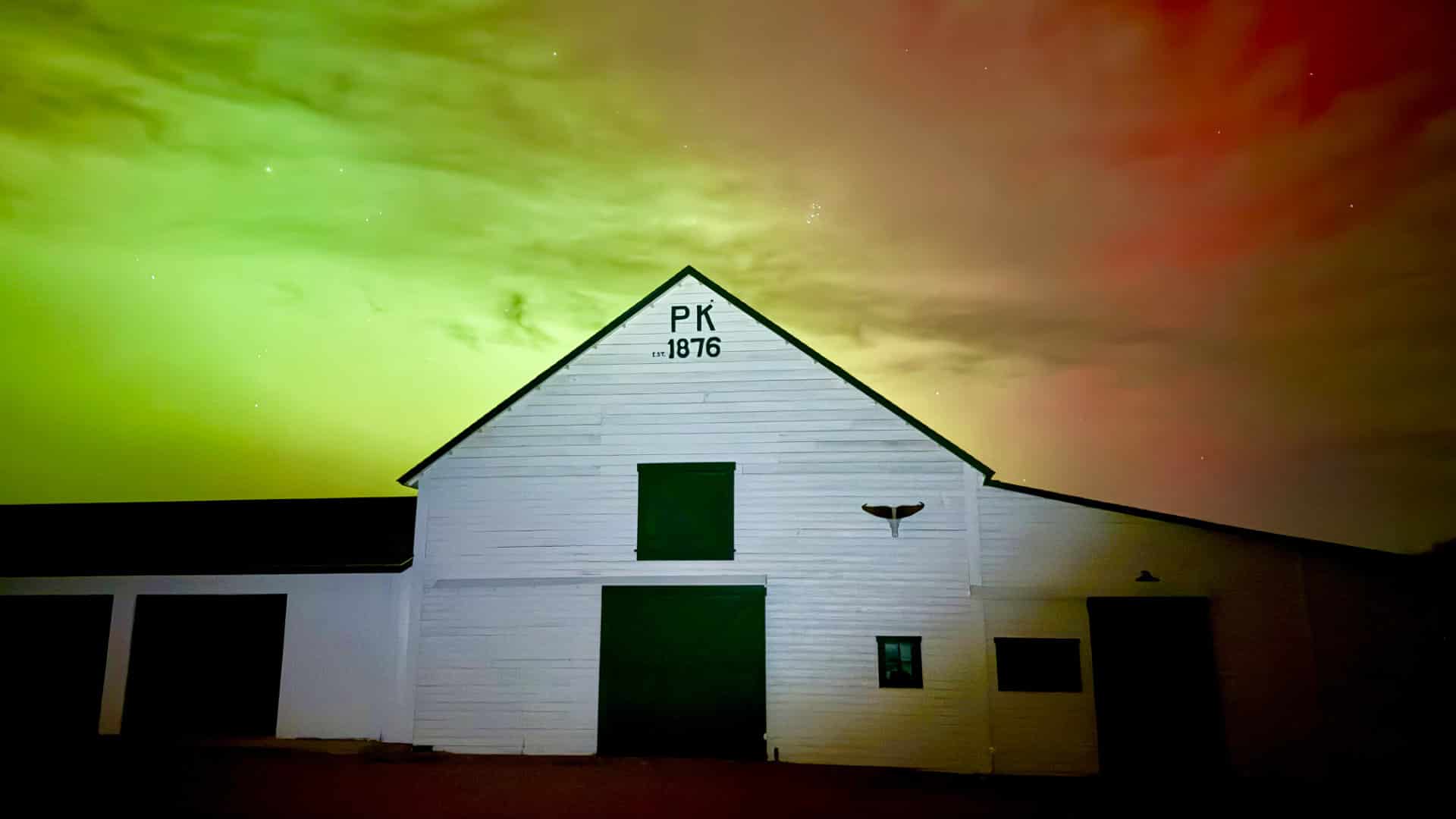
Northern Lights Over PK Barn
Cato Ranch’s significance extends beyond its agricultural operation. Its history as the PK Ranch connects it to the early days of Wyoming ranching, while its landscape preserves the character of the Soldier Creek Valley, with the open spaces, mountain setting, and natural beauty that make this part of Wyoming so special.
Cato Ranch plays an important role in maintaining the character of the Bighorn Mountain Foothills Ecosystem, one of the most treasured and ecologically important areas in the Western United States. Part of the mosaic of this large, intact natural system in the Soldier Creek Valley, Cato Ranch preserves agricultural traditions and sustains the open spaces that make this region so distinctive.
The overall value, which can’t be measured solely in acres, livestock, or agricultural production, is cumulatively derived from the sense of place, the solace of open spaces and a connection to the land that’s becoming increasingly important, while also considering value in its history, its wildlife, and the peace it provides.
For someone considering ownership, that’s part of the opportunity: to become the next steward of a place with agricultural significance, enduring landscape value, and a lifestyle that is increasingly difficult to find.
Three Things That Make a Ranch Better
There are three fundamental elements that contribute to the potential of any ranch:
Location. Natural Resources. Management.
Location is largely a gift. A ranch’s geography, climate, elevation, and position in the landscape establish many of its inherent advantages.
Natural resources are also part of what a ranch is given: its soil, water, grass, minerals, vegetation, and wildlife habitat. These resources determine the potential for what the land can produce.
Management, however, is different. It’s what we do with what we’ve been given.
It is reflected in the decisions we make about grazing, livestock numbers, water, forage, wildlife, and the financial operation of the ranch. Those decisions determine whether the land’s potential is protected and improved, or gradually diminished.
At Cato Ranch, the combination of exceptional location, impressive natural resources, and a commitment to professional management creates a remarkable foundation for the next chapter of its history.
Water: One of the Ranch’s Greatest Assets
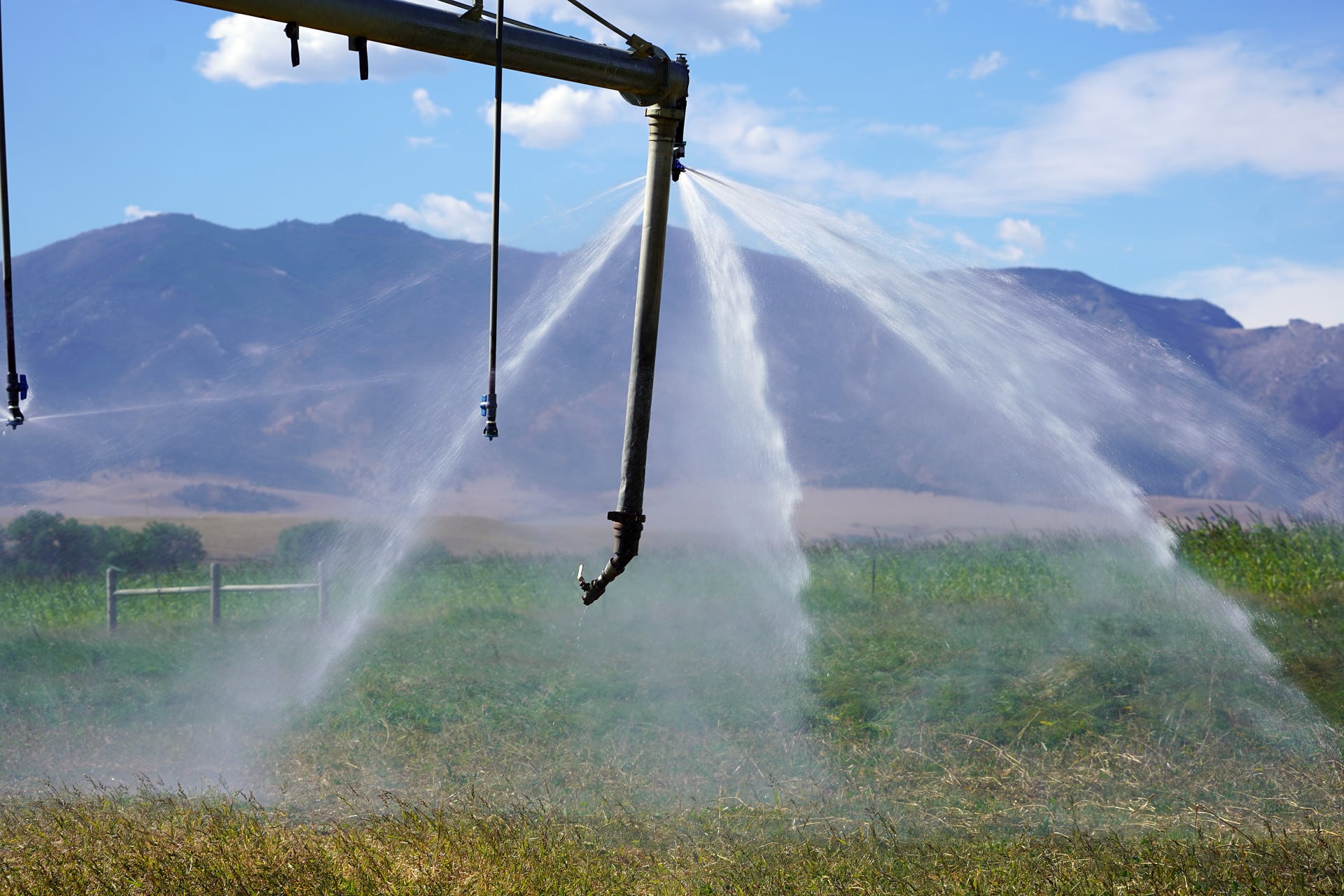
Cato Ranch Sprinkler
The abundance of water is among Cato Ranch’s most important natural resources.
The ranch benefits from substantial water resources and irrigation infrastructure, including systems supported by mountain reservoirs. Its irrigation systems help sustain productive agricultural ground, while the surrounding landscape provides the grass and forage that support the cattle operation.
These are valuable advantages, but they do not make the ranch immune to drought.
Future irrigation depends in part on winter snowpack and moisture in the mountains. Reservoirs must be replenished, and no amount of infrastructure can guarantee what the coming season will bring.
This is a reality of ranching in the West. Even a ranch with exceptional water resources must plan for the possibility that less moisture will be available in the future.
Recognizing both the value and the limitations of these resources is part of responsible management. It is also an important consideration for anyone who appreciates what it takes to operate and sustain a productive Western ranch.
Good Management Means Planning Before the Difficult Years Arrive
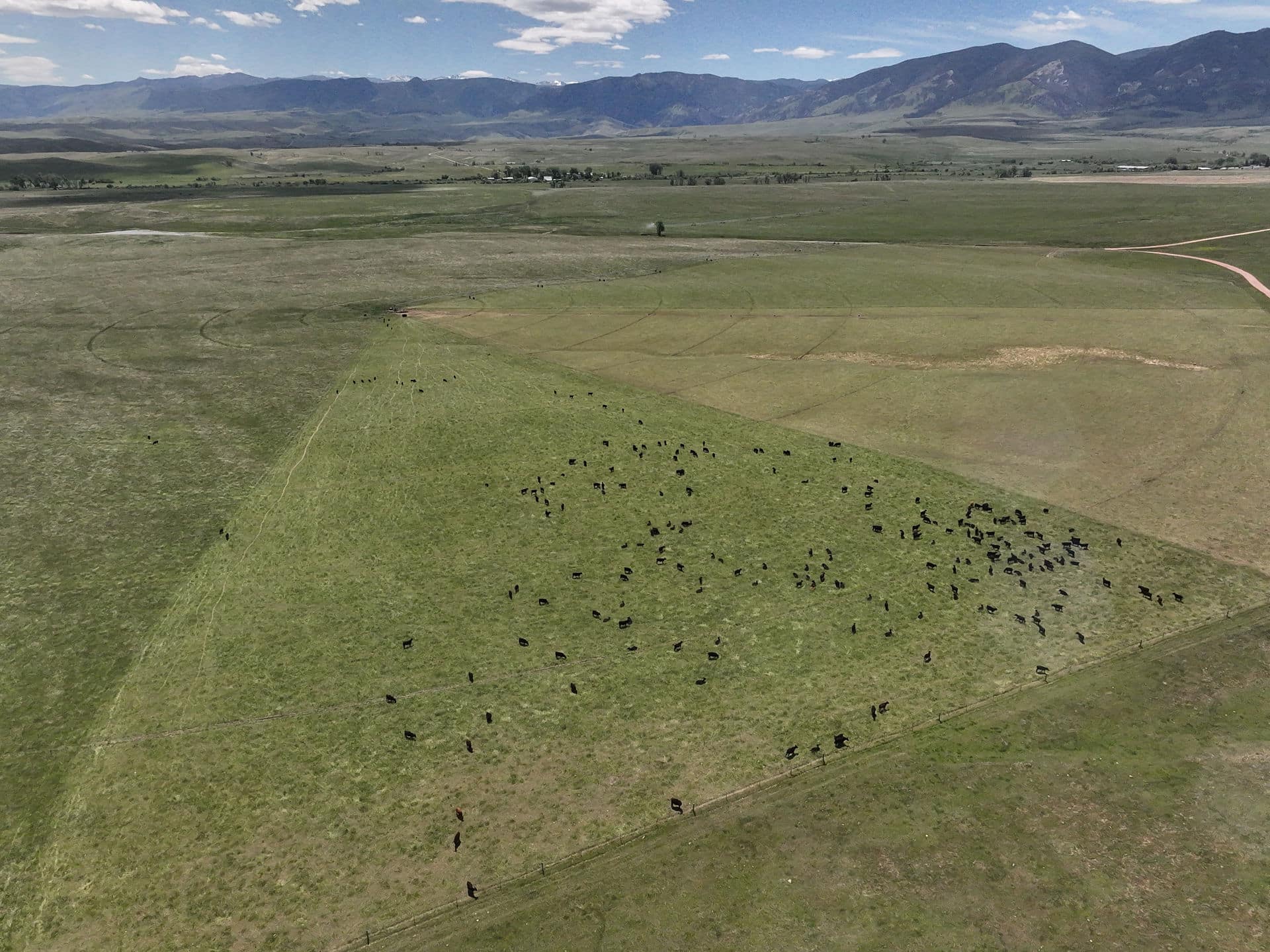
Intensive Grazing for Healthy Land Management
Anyone who has spent time ranching in Wyoming understands that drought is not an unusual interruption. It’s part of the business.
There are years of abundant moisture and years when grass growth, irrigation supplies, and forage availability become increasingly challenging. Successful ranch management requires an understanding of both.
Dennis Elchlinger, a Ranching for Profit School alumnus, understands the importance of managing the entire operation rather than focusing only on the number of cattle currently being run.
The principles of sound ranch management emphasize understanding the resources available, matching livestock numbers to the productive capacity of the land and preparing for difficult conditions before they become a crisis.
Protecting grass resources, maintaining and improving productive soil health, enhancing water absorption, and allowing the landscape to recover are essential to preserving the ranch’s ability to support livestock in the future.
Good management isn’t simply asking how many cattle the ranch can run today. It’s asking what the land can sustainably support through good years, difficult years, and the years that follow.
Managing for the Next Opportunity
There is another important side to proactive drought management that is sometimes overlooked.
A good management plan doesn’t simply help a ranch survive difficult conditions. It positions the operation to capitalize on opportunities when conditions improve.
When snow and moisture return, healthy grass resources and productive ground will be essential to rebuilding livestock numbers and increasing production.
Ranches that have protected their forage and maintained the health of their land should be in a stronger position to respond. They can potentially take advantage of cattle opportunities while other operations are still recovering from the effects of drought.
The decisions made during difficult years can determine who is best positioned when better years return.
That’s good business management, but it’s also good stewardship. It’s a delicate balance of managing ecology and economics. Protecting the land’s productive capacity protects the future of the ranch itself.
An Opportunity to Carry the Legacy Forward
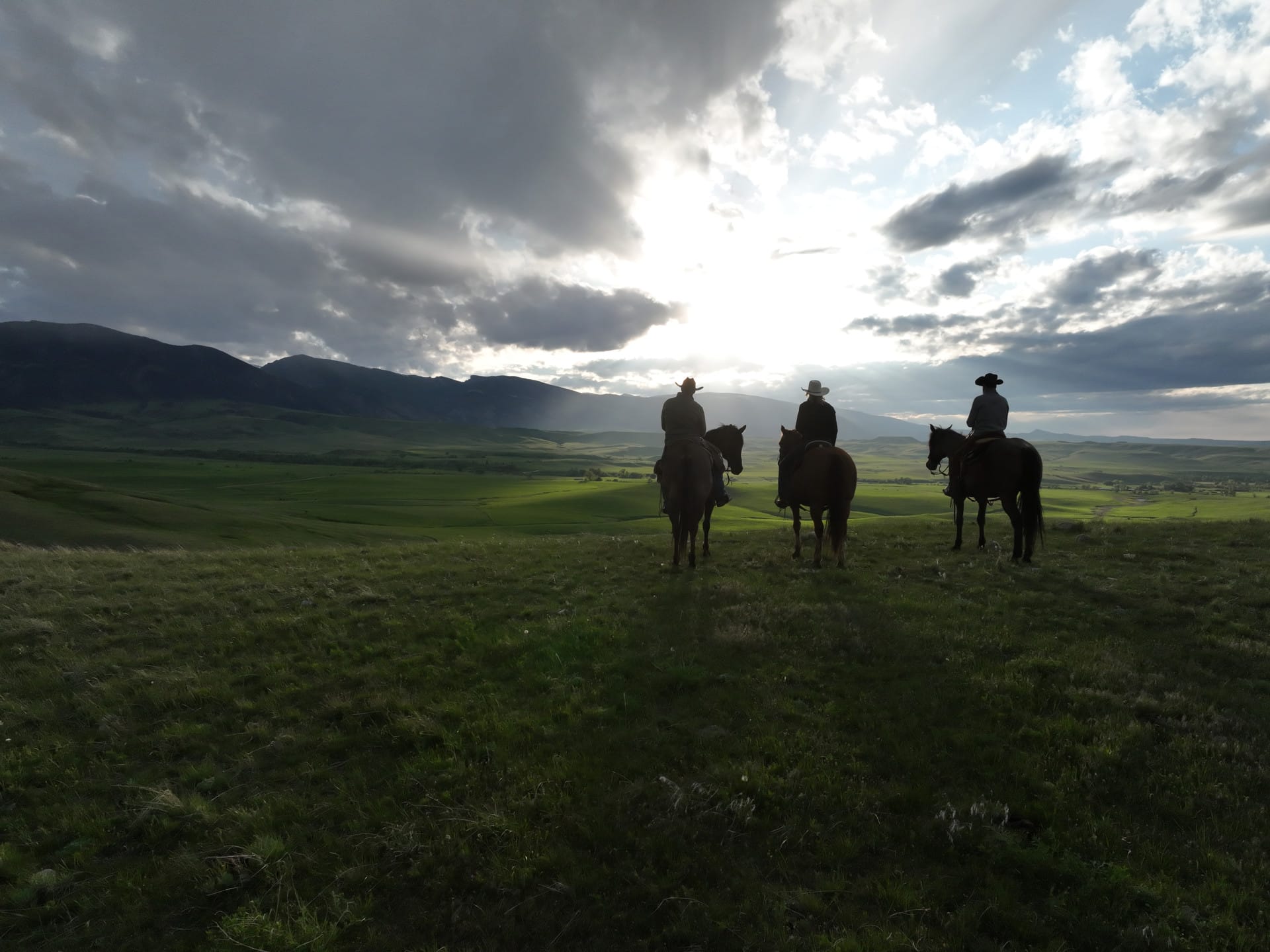
Evening Riders on Cato Ranch
Established in 1876, Cato Ranch has witnessed 150 years of Wyoming history.
Its story reflects the enduring importance of ranching, agriculture, and the people who have recognized the value of this land and committed themselves to its future.
Mr. Wayland Cato recognized the property’s extraordinary attributes and made a commitment to professional stewardship. Dennis Elchlinger has helped put that philosophy into practice through thoughtful ranch management and an understanding of the importance of protecting the land’s productive capacity.
Now, Cato Ranch offers an opportunity for its next owner to build upon that foundation.
For the discerning ranch buyer, the appeal is more than a remarkable location or an impressive collection of natural resources. It is the opportunity to own a historic Wyoming ranch that remains a working agricultural operation, with substantial water resources, productive land, a meaningful management foundation, and a landscape that preserves the character of the Soldier Creek Valley.
It is also an opportunity to enjoy the qualities that made the ranch special to Mr. Cato: its beauty, serenity, views, open space, and the lifestyle that comes with owning a remarkable piece of Wyoming. Its proximity to Sheridan and the airport adds a level of convenience that complements its rural setting.
It is an opportunity to invest in something that extends beyond the present moment.
The next owner will have the privilege and responsibility of carrying forward the history of Cato Ranch, caring for the land and water, and preserving a special part of Wyoming for the future.
The location and natural resources of a ranch may be gifts. Recognizing their potential takes vision. Managing them well takes commitment. And preserving that legacy for generations to come is an opportunity worth embracing.
Cato Ranch represents the best of Wyoming: its history, its working ranching traditions, its natural beauty, its protected open spaces, and its wide-open landscapes. Its next chapter is waiting to be written.


